What is the Good Life?
A quiet disorientation defines our time. Millions of people maintain successful careers and lives while enduring an unyielding sense that existence has been stripped of depth and genuine direction.
Driven by what Goethe called velociferian speed, society measures human worth almost exclusively through efficiency, output, and status. Yet accumulating achievements rarely answers the fundamental question: How ought you truly to live?
When a longing for meaning arises, our culture responds with trivialities like productivity hacks, self-help formulas, and wellness trends designed to optimise performance rather than enrich our being.
What we need to remember again is that Philosophy can guide us here. If we understand philosophy as what it truly is: the art of living.
And that the meaning of life lies in play.
THE COURSE
Philosophy The Art of Living is a seven-part self-study course created for anyone who feels that modern life has become too fast, too shallow, and too focused on mere survival lacking meaning.
You do not need an academic background to take this course. You only need a willingness to ask honest questions about how you spend your time, your energy, and your life.
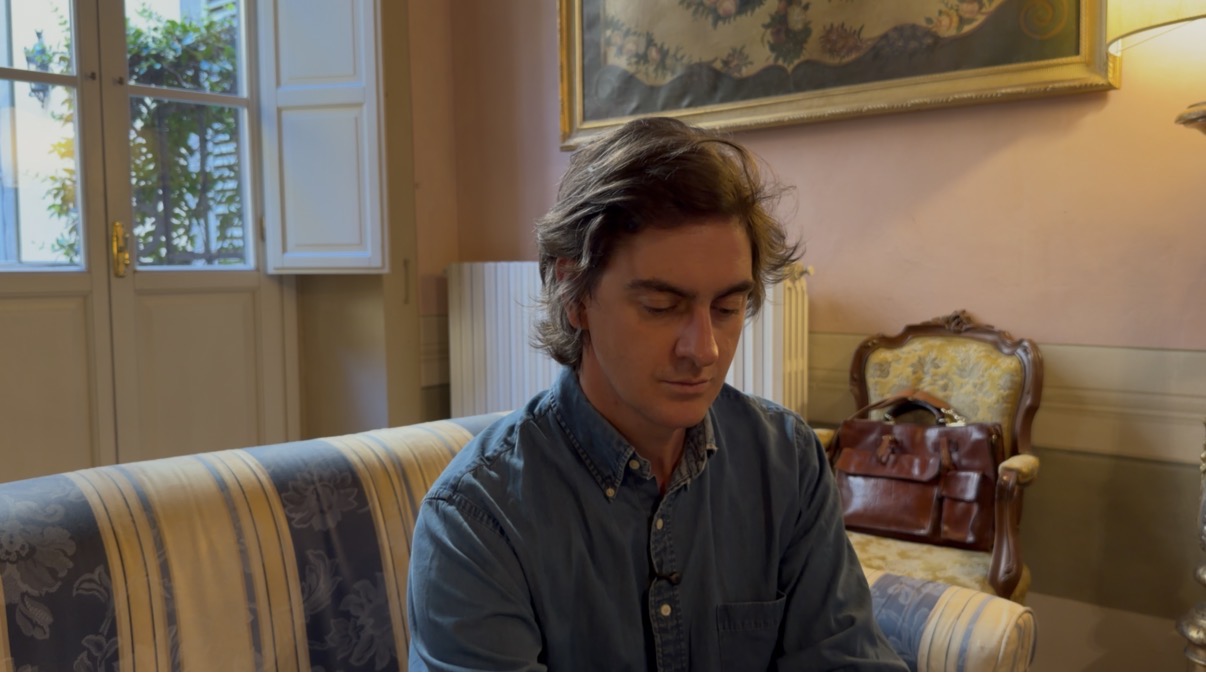
Filmed on location in a private palazzo in Florence, this course brings the European tradition of philosophy as a lived practice back to the city where so much of it was rediscovered, reborn and reimagined for the modern world. Across seven lectures — from Plato's vision of the examined life to Schiller's aesthetic education of man — you move through millennia of thought not as abstract history, but as living questions: how to face mortality, how to cultivate character, how to flourish in a disordered world.
This course invites you to cultivate genuine depth of mind, and actively shape your life into a living work of art.
"Every one rushes elsewhere and into the future, because no one wants to face one's own inner self."
Michel de Montaigne
What You Will Learn
Through close but creative reading of primary sources, this course offers a sanctuary away from the frantic demands of modern acceleration. Philosophy as the Art of Living will also playfully introduce the philosophical novice to metaphysics, ethics, and epistemology.
- From Passive Consumption to Active Leisure (Otium): Learn to distinguish between passive distraction that leaves you drained and genuine leisure that cultivates the mind and heart.
- Guidance for Self-Cultivation (Bildung): Shift your understanding of self-development away from external metrics toward the harmonious unfolding of your character, intellect, and aesthetic sensitivity.
- From "Happiness Economy" to Flourishing: Move past modern superficial definitions of happiness as a passing mood, recovering Aristotle’s robust ideal of human flourishing (Eudaimonia).
- Confronting Finitude with Courage: Draw upon Montaigne, Seneca, Plato and Heidegger to face mortality (melete thanatou) as the primary condition for personal freedom and authentic decision-making.
-
The Play Drive (Spieltrieb): Reclaim Schiller’s vision of aesthetic play—the exact point where human reason and instinct harmonise to unlock creative vitality.
But most importantly always remember: Learn only in order to create!
What to Expect Upon Enrolment
The transition from passive consumer to active autodidact begins the moment you join:
- Immediate Entry into the Sanctuary: Upon completing your enrolment, you receive instant, lifetime access to the complete seven-lecture series. No waiting for drip schedules or cohort start dates. Your study unfolds entirely at your own pace.
- Your Textual Companion: You will download the Ars Vitae Conspectus: a beautifully rendered PDF study guide complete with primary text references, historical contexts, and key Greek and German philosophical terms, serving as your permanent reference library.
- Lived Practices: Suggestions on how to practice what you learn and reorientate your life around seeing the world differently.
-
Uninterrupted, Self-Paced Study: You can listen to the lectures whenever your schedule allows: during dedicated evening reading, on morning walks, or during quiet weekends reserved for reflection.
CURRICULUM
LECTURE I | Remembering that Philosophy is the Art of Living and the Idea of the Good. Plato, Cicero, Aristotle.
LECTURE II | Leisure as the Basis of Culture: How leisure built our civilisation and how to reclaim it. Aristotle, Seneca, Josef Pieper, Heidegger.
LECTURE III| Flourishing as True Happiness: The siren song of the modern "Happiness Economy" and how to reclaim human flourishing. Aristotle, Adam Smith
LECTURE IV | Melete Thanatou: Learning to Die. Plato, Montaigne, and Heidegger on mortality and freedom.
LECTURE V | The Idea of Bildung. Goethe, Schelling and Humboldt on self-cultivation in a frantic world.
LECTURE VI | Amor Fati & Living Dangerously. Nietzsche and the refusal of comfortable decay.
LECTURE VII| The Play Drive: The Crowning of Reason. Kant and Hegel's Critique of Enlightenment. Schiller’s Aesthetic Letters and the ultimate freedom of play.
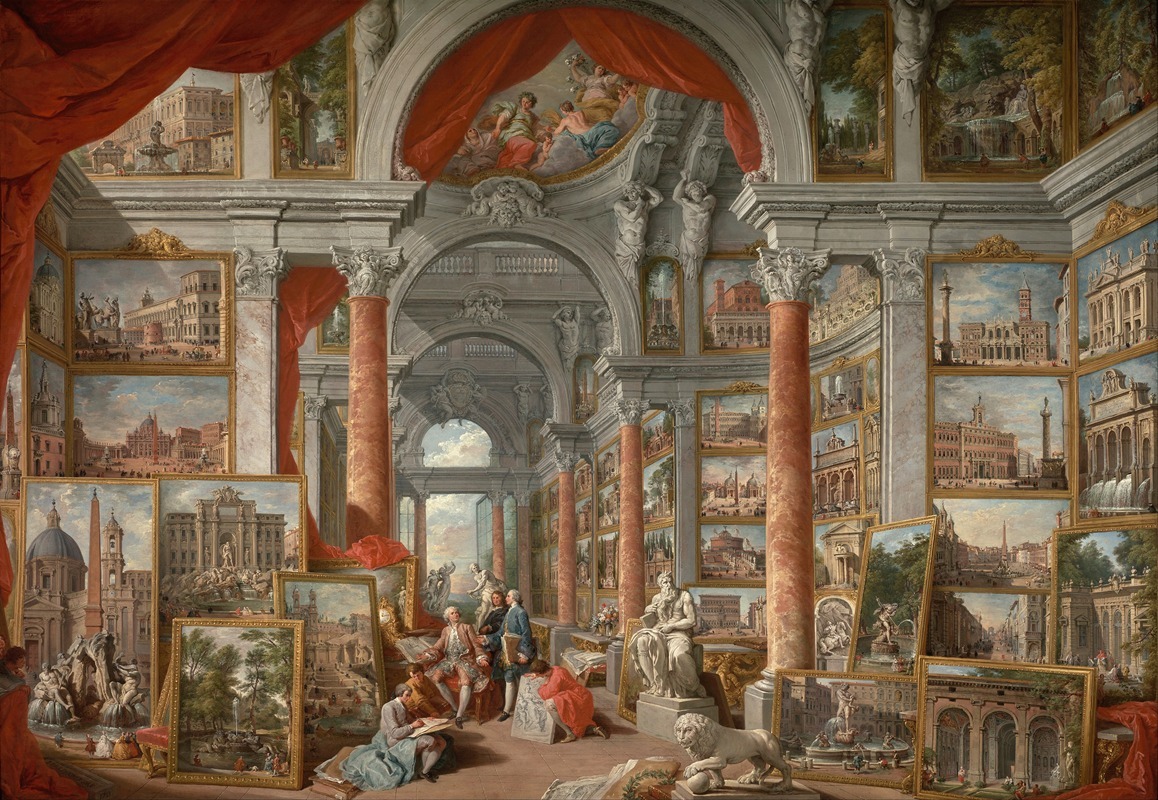
Reclaim Your Inner Life
In entering this course, you do not acquire digital files. You undertake a deliberate examination of your life and character in order to achieve self-cultivation and flourishing.
Going through these lectures, your vision will change.
-
From Mechanical Busyness to Scholé: The reclamation of non-economic time, establishing an impenetrable sanctuary of unhurried contemplation and meditative dwelling.
From External Metrics to Bildung: The abandonment of commercial metrics of success in favour of deliberate self-cultivation treating intellect, character, aesthetic sensibility as an ongoing work of art.
From Existential Dread to Finitude as Sovereign Liberty: The direct confrontation with mortality (melete thanatou), dissolving trivial status games and passive conformity to claim authentic existence.
From Passive Endurance to Spieltrieb: The synthesis of formal duty (Formtrieb) and sensory vitality (Sinnestrieb), restoring creative spontaneity and complete human freedom through aesthetic play.
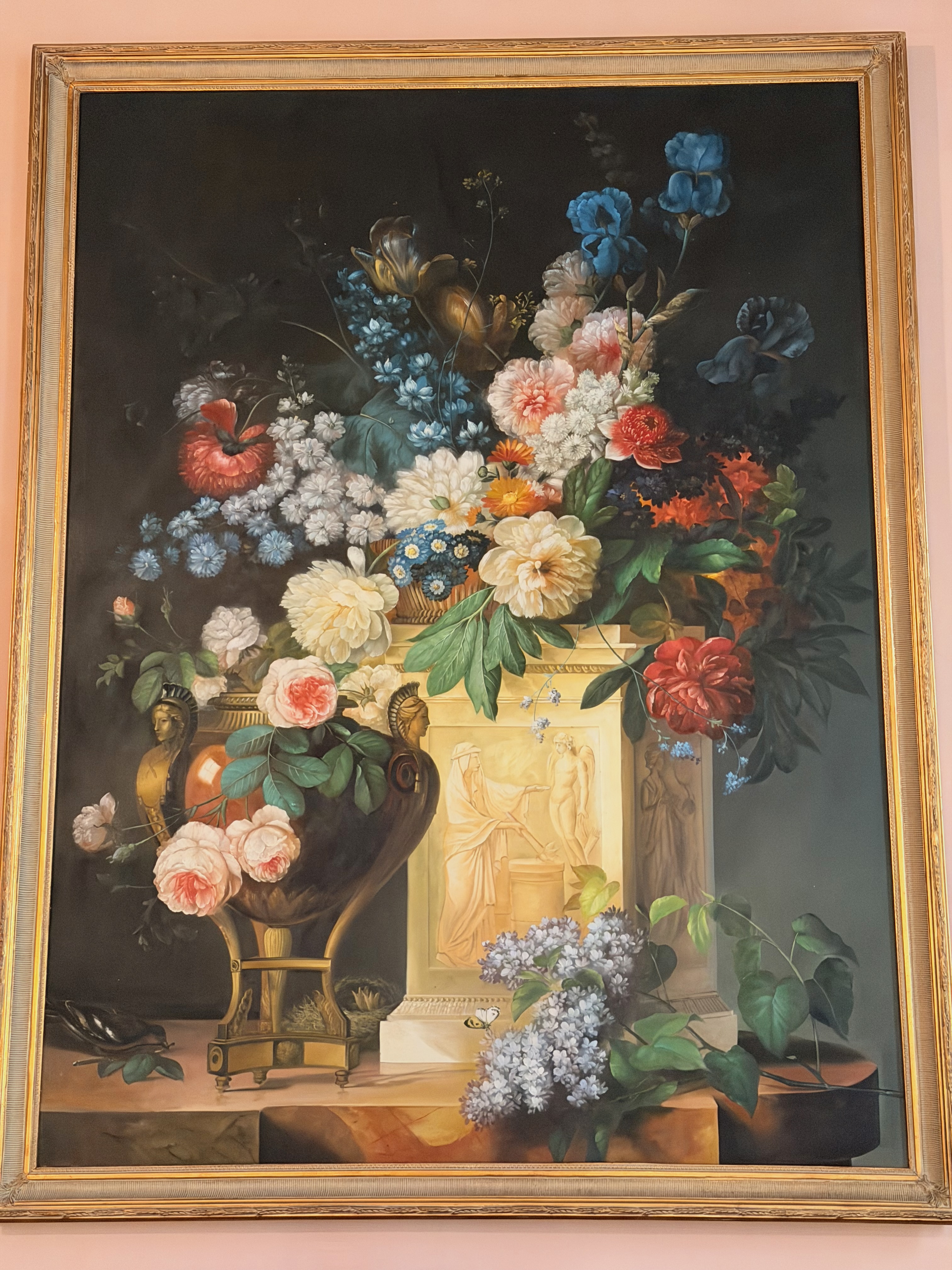
The Seven Pillars of the Course
Reclaiming Active Leisure (Scholé): How to break the habit of passive digital consumption and reclaim your time for serious intellectual inquiry, deep thought, and original creation.
Realising True Flourishing (Eudaimonia): Moving beyond modern superficial happiness to build a robust, active life rooted in excellence, virtue, and actualised potential.
Escaping the Trap of Ambition: Using Adam Smith’s moral insights to free yourself from status anxiety, superficial comparison, and the quiet tyranny of external approval.
Finding Freedom in Finitude (Melete Thanatou): Confronting the reality of passing time with clarity and courage—using mortality not as a source of dread, but as the ultimate catalyst for decisive action.
The Art of Self-Formation (Bildung): Treating your intellect, taste, and character as an ongoing, living masterpiece that you consciously refine and direct throughout your life.
Embracing Heroic Destiny (Amor Fati): Master Nietzsche’s imperative to welcome life in its totality—transmuting friction, challenge, and chaos into raw vital power.
Restoring Creative Vitality (Spieltrieb): Reconnecting reason with passion through Schiller’s concept of the Play Drive, bringing energy, beauty, and uninhibited freedom back into your daily pursuits.
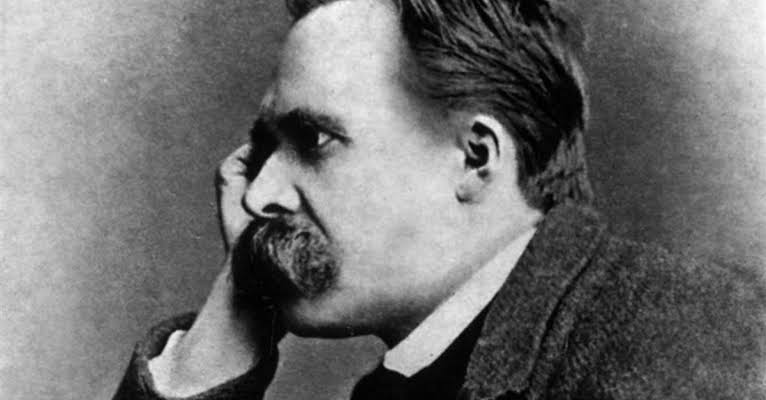
At the age of thirty you are still a child in high culture.
Friedrich Nietzsche
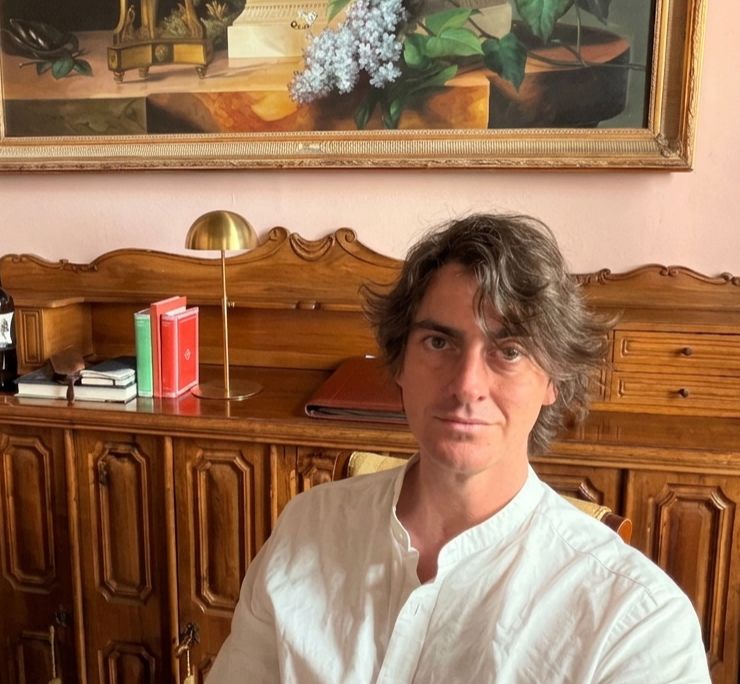
Pleased to Meet You
As founder of the Halkyon Academy, I seek to revive the classical ideal of Bildung—the deliberate cultivation of character, intellect, and spirit—through close textual engagement and rigorous debate. In Ars Vitae, academic scholarship is brought into direct conversation with daily existence, transforming complex texts into enduring companions for personal growth. My aim is to foster a sanctuary where rigorous thought becomes second nature, dialogue leads to real transformation, and each individual learns to claim philosophy as an authentic way of life.
My work is rooted in a singular conviction: philosophy is vital only insofar as it illuminates how we live, choose, and attend to the world.
I completed my doctorate at the University of Warwick with a thesis dedicated to Martin Heidegger, subsequently publishing a monograph on his thought along with various papers and reviews on German Idealism, including an examination of Heidegger’s notes on Hegelian negativity for the Hegel Bulletin.