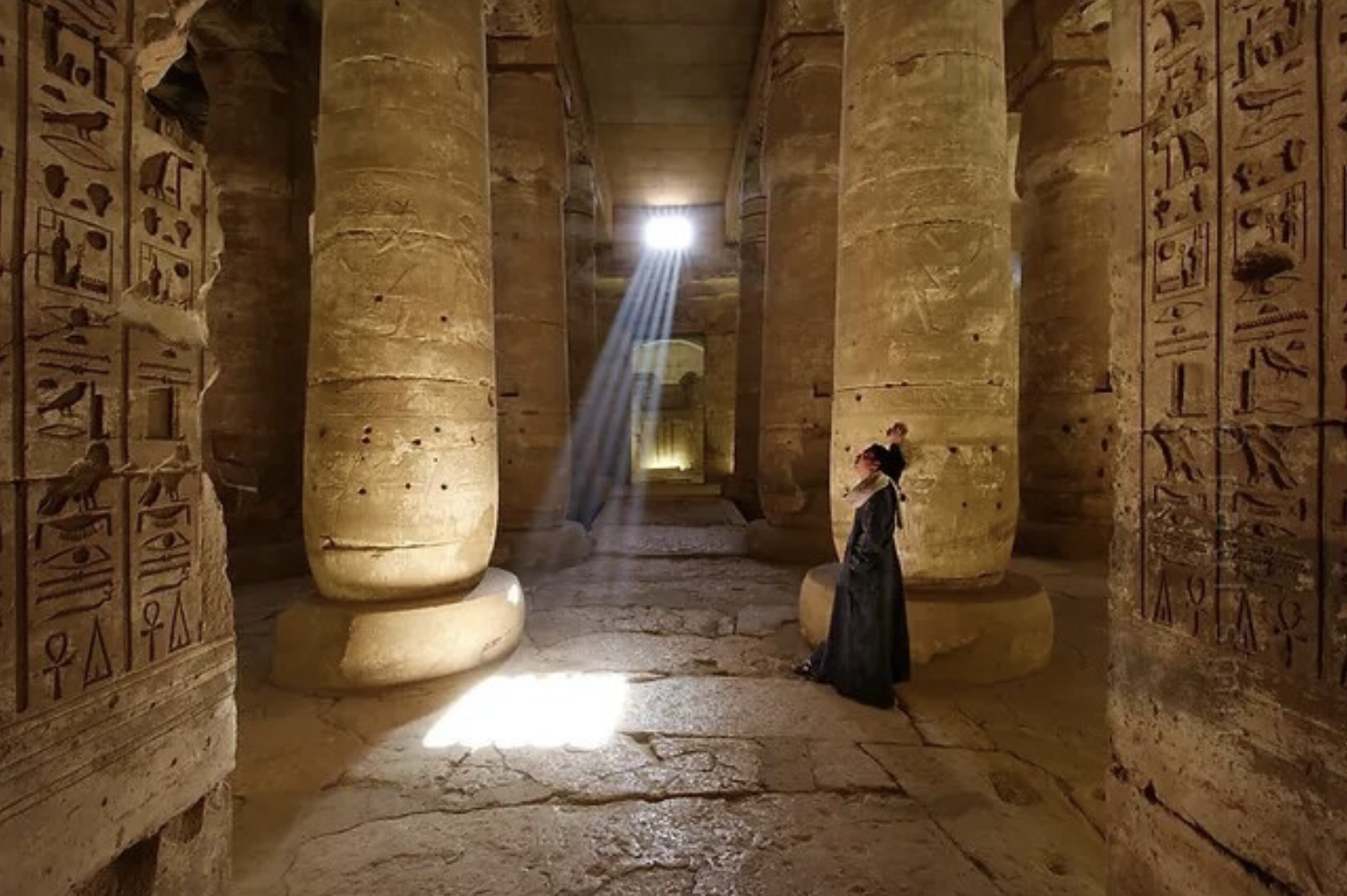
Move past surface-level exoticism.
A 6 lecture exploration into the metaphysics, Hieroglyphs, and afterlife beliefs grounded in Ma'at, the foundations of cosmic order of Ancient Egypt.
"Egypt is the Land of the Symbol." - Hegel
The Course
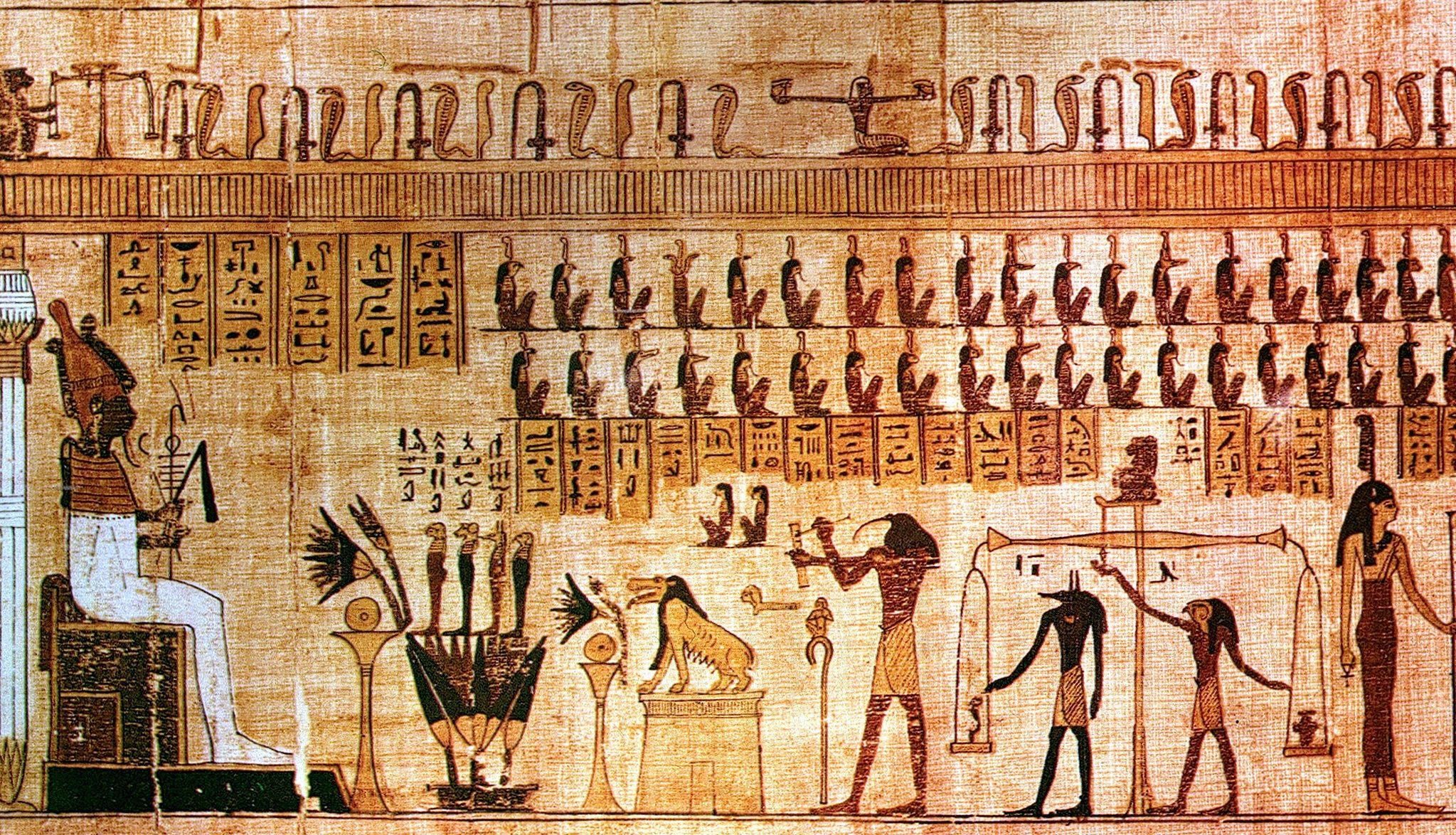
The one thing the ancient Egyptian priests hated most about foreigners visiting their temples was empty periergia: simple, surface-level curiosity that fixated on the strange and the exotic, while ignoring the underlying principles, the cultural significance of their language, and the importance of myth and ritual as their foundational belief system.
Ancient Egypt was always more than its odd customs, its monuments, and its mummies; yet approaching it from the outside often yields an image of Egypt as a civilization of curiosities rather than one of thought.
This masterclass by Carla Berenice Groh begins from the opposite premise.
At Halkyon Academy, we champion an approach to learning that honors the internal logic and integrity of history’s greatest civilizations. We believe that ancient Egyptian culture must be approached through its own native categories, its own language, its own sacred architecture, and its own literary imagination.
What You Will Learn
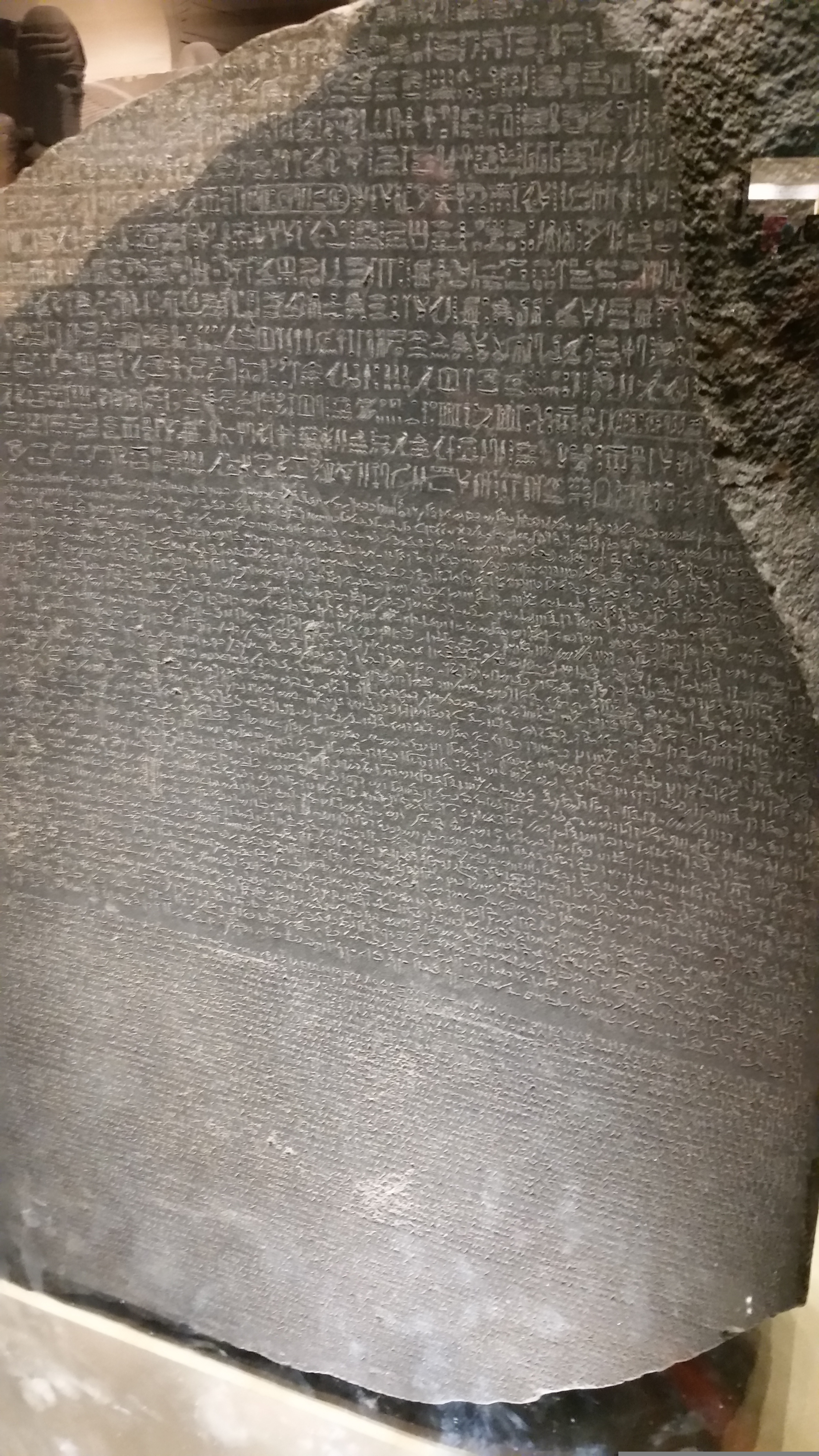
If you have always wondered about the deeper meaning behind Hieroglyphs and the origins of human civilisation, this course is designed specifically for you.
Carla's masterclass is a welcoming invitation to step out of passive consumption and enter into a space of scholé—true philosophical leisure.
Together, we will engage with the Mind and Metaphysics of Egypt, appreciating their writing system, their myths, mortuary texts, and conceptual structures of reality exactly as they were meant to be experienced: as a coherent, profound philosophy of life that still has a great deal to teach us.
Key Takeaways
By the conclusion of our six weeks together, you will have gained substantial insights into the Ancient Egyptian world, walking away with:
- Basic Hieroglyphic Literacy: Learn to decipher hieroglyphs. You will be able to structurally parse and decipher authentic monumental inscriptions and royal titulature on Old Kingdom obelisks.
- The Metaphysics: Confidently interpret the temporal and spatial metaphysics of Egyptian thought. You will hold a sound understanding of native categories like Ma'at (cosmic order), Isfet (chaos), and the dual nature of time (Neheh and Djet).
- Anatomy of the Soul: Decode the intricate geography of the afterlife. Through the Pyramid Texts and the Book of the Dead, you will learn to understand the distinct metaphysical roles of the Ka, Ba, and Akh, and the ritual technologies used for ascension.
- Textual Critical Thinking: Develop a close, analytical eye for primary sources. By parsing ancient wisdom and crisis literature, you will see exactly how the Nile Valley civilisation grappled with universal human questions of suffering, anxiety, and cosmic restoration.
🏛️ Course Curriculum
📐 Seminar 1: Symbol and Reality — The Key to Hieroglyphic Writing
An interrogation of the semantic framework of Pharaonic script at the absolute intersection of sign, image, sound, and symbol.
- Core Frameworks: The tri-fold nature of the script (logograms, phonograms, determinatives); non-linear temporal grammar; Jan Assmann's framework of cultural memory.
- Primary Materials: The Royal Titulature systems and the architectural syntax of Old Kingdom obelisks.
- Live Scriptorium Focus: A step-by-step translation breakdown parsing authentic glyphs to decode a monumental inscription and hidden meaning.
⚖️ Seminar 2: The Mind of Egypt — From Mythic Thinking to Cultural Memory
An exploration of cognitive multiplicity and the underlying structures of ancient belief systems, tracing how the state preserved cosmic continuity across dynasties.
- Core Frameworks: Mythic thinking as a rigorous hermeneutical tool; Erik Hornung’s formulation of reality ("the one and the many").
- Primary Materials: The Osirian myth cycles, classical temple records, and early dynastic political theory.
- Live Scriptorium Focus: Deconstructing the dualistic balance of cosmic integration versus historical fragmentation.
🌌 Seminar 3: The Architecture of the Cosmos & The Mystery of Time
An investigation into the Egyptian spatial and temporal universe, mapping how sacred architecture acted as a physical anchor for the maintenance of the cosmos.
- Core Frameworks: Linear time (Neheh) vs. eternal time (Djet); the spatial architecture of creation; the metaphysics of sacred geometric structures.
- Primary Materials: Cosmological passages from the Book of the Heavenly Cow, the Papyrus of Salt (825), and the golden iconographic symbolism of Tutankhamun’s innermost shrine.
- Live Scriptorium Focus: Reading the spatial grammar of the New Kingdom temple layout.
📿 Seminar 4: The Metaphysics of Death — From the Pyramid Texts to the Book of the Dead
A profound look into the geography of the Egyptian underworld and the rigorous ritual technology required to survive the transition into eternity.
- Core Frameworks: The anatomy of the soul; mapping the distinct metaphysical functions of the Ka, Ba, and Akh; the ritual mechanics of dimensional ascension.
- Primary Materials: Old Kingdom Pyramid Texts, Middle Kingdom Coffin Texts, and the New Kingdom Spells for Coming Forth by Day (The Book of the Dead).
- Live Scriptorium Focus: Tracing the itinerary of the soul through the Weighing of the Heart ceremony.
☀️ Seminar 5: The Concept of Ma'at & Human Purpose
An interrogation of the central organizing principle of Egyptian civilization—the delicate cosmic, ethical, and societal balance that kept chaos at bay.
- Core Frameworks: Ma'at (divine order) vs. Isfet (chaos); the liturgical role of humanity and the state in cosmic renewal; the social contract of ancient ethics.
- Primary Materials: Classic Wisdom Literature (Sebayt), including the Maxims of Ptahhotep and the Instructions of Amenemhat.
- Live Scriptorium Focus: Analyzing the moral grammar and linguistic construction of the "Negative Confessions."
🔥 Seminar 6 (Advanced Masterclass): “Cattle of God” — Exploring Culture Through Crisis Literature
An interactive exploration of Egypt’s profound prophetic and apocalyptic laments, turning to the moments when cosmic order broke down to find the civilization's deepest structures of meaning.
- Core Frameworks: The breakdown of Ma'at; the philosophy of suffering, societal anxiety, and divine abandonment; the cyclical necessity of destruction before renewal.
- Primary Materials: The Admonitions of Ipuwer, the Prophecies of Neferti, and the Dispute Between a Man and His Ba.
-
Live Scriptorium Focus: Translating the vocabulary of despair and restoration in First Intermediate Period crisis texts.
Your Teacher: Carla Berenice Groh
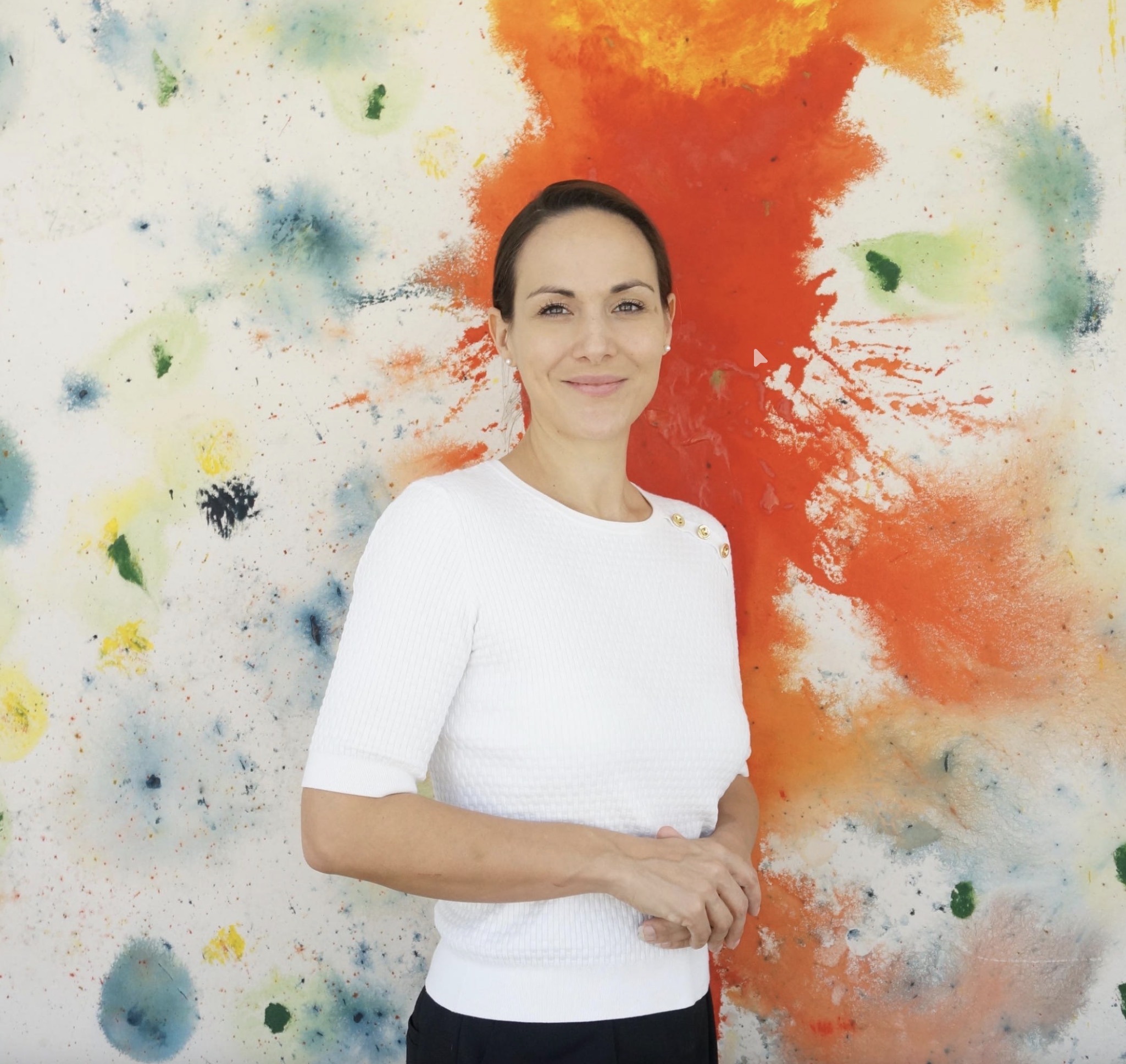
Carla Berenice Groh is an archaeologist, writer, and founder of EVEY Gallery & Art Foundation. Trained in Classical and Near Eastern Archaeology at the University of Freiburg and in Egyptology at the University of Basel, she spent four years on an interdisciplinary research team while completing a PhD on intercultural transfer and hero narratives in Ptolemaic Egypt. Her work follows how Egyptians imagined cosmic order, myth, and ritual, and how those ideas moved across cultures in the Hellenistic world—questions at the heart of The Egyptian Mind: Cosmos, Myth, and Meaning.
Through her Substack, Pyramids and Hieroglyphs, she brings hieroglyphs, temple imagery, and ritual performance to life for broad audiences, blending careful scholarship with clear storytelling. An accredited member of the Appraisers Association of America, she approaches ancient texts and objects with a close, object-based eye, and draws on experience in contemporary art, cultural philanthropy, and public humanities. In this course she invites students to read the sky, the shrine, and the story together—linking symbols to lived practice—so that Egypt’s ways of making meaning feel both intellectually rigorous and vividly human.